
The invite goes out. Half the replies come back with conflicts. The other half say yes but turn up distracted. Getting people into a room is one problem. Getting them actually present when they’re there is a different one — and the venue is doing more work on the second problem than most planners give it credit for.
Calendar conflicts are real. But a lot of meeting reluctance isn’t really about the diary. It’s about the room. The strip lighting. The stale air. The sense that four hours of this is going to feel like eight. People are very good at finding reasons not to attend things they don’t want to attend, and a windowless room in a business park gives them plenty of ammunition.
Countryside venues solve this differently to what most people expect. The benefit isn’t just aesthetic. It’s behavioural. People who travel somewhere deliberately — somewhere that feels worth the trip — arrive in a different frame of mind to people who’ve walked from the car park through a hotel lobby that could be anywhere in England. They’ve committed. They’re ready. The meeting starts better before it’s started.
What makes a countryside venue work for this
Not all of them do. A beautiful location with poor facilities, thin Wi-Fi and no thought given to food is just an inconvenient version of the same problem. What you’re looking for is a place that has genuine character without treating practicality as secondary.
The White Hart in Dorchester-on-Thames does both. It’s a 17th-century coaching inn on the high street of a proper Oxfordshire village — low beams, ancient stonework, a building that has been a gathering place for four centuries. That’s the character. The Wi-Fi is strong, the meeting room takes up to 20 delegates and is set up properly, the adjacent Village Hall is available for larger groups up to 80, and the catering is built around seasonal, locally sourced food rather than trays of indistinguishable sandwiches. That’s the practicality.
Between Oxford and Henley-on-Thames, easy from the M40 and M4, with Didcot Parkway under 8 miles away for anyone coming by train — it’s also reachable without the journey being an objection.

Find out about meeting spaces at the White Hart
The things around the meeting matter as much as the agenda
The best countryside meeting days tend to have a shape to them that’s slightly different from a city-centre offsite. The formal session runs in the morning or through the day. Lunch is a proper sit-down, not a working plate that gets eaten in fifteen minutes over slides. The Thames Path runs from the hotel’s doorstep — a short walk after lunch, before the afternoon session, resets the room in a way that no amount of coffee ever quite manages.
In July, when the weather in Oxfordshire cooperates, the courtyard and garden come into their own. Some of the best meeting outcomes happen in the half hour a group spends outside, not officially discussing anything, before the next session. That’s not an accident. It’s what the right setting produces without anyone having to engineer it.
The evening, if the group is staying over, tends to be where the real work gets done. The White Hart’s 18th-century pub — proper ales, low ceilings, no agenda — is where honest conversations happen. The ones that didn’t fit the formal structure. The decision that was circling all day that someone finally says out loud over a drink. For groups that can make the overnight work, it changes the quality of what the day produces.
Catering as a signal
Food at a meeting tells delegates something about whether the meeting has been thought about. A thoughtful, well-prepared lunch from locally sourced seasonal ingredients says the same thing a good agenda does: someone cared about making this worthwhile. The kitchen at the White Hart takes the same approach to meeting catering as it does to the restaurant — seasonal, fresh, properly prepared.
This is not a small thing. People who feel well looked after in a meeting are easier to get back into the room after a break.
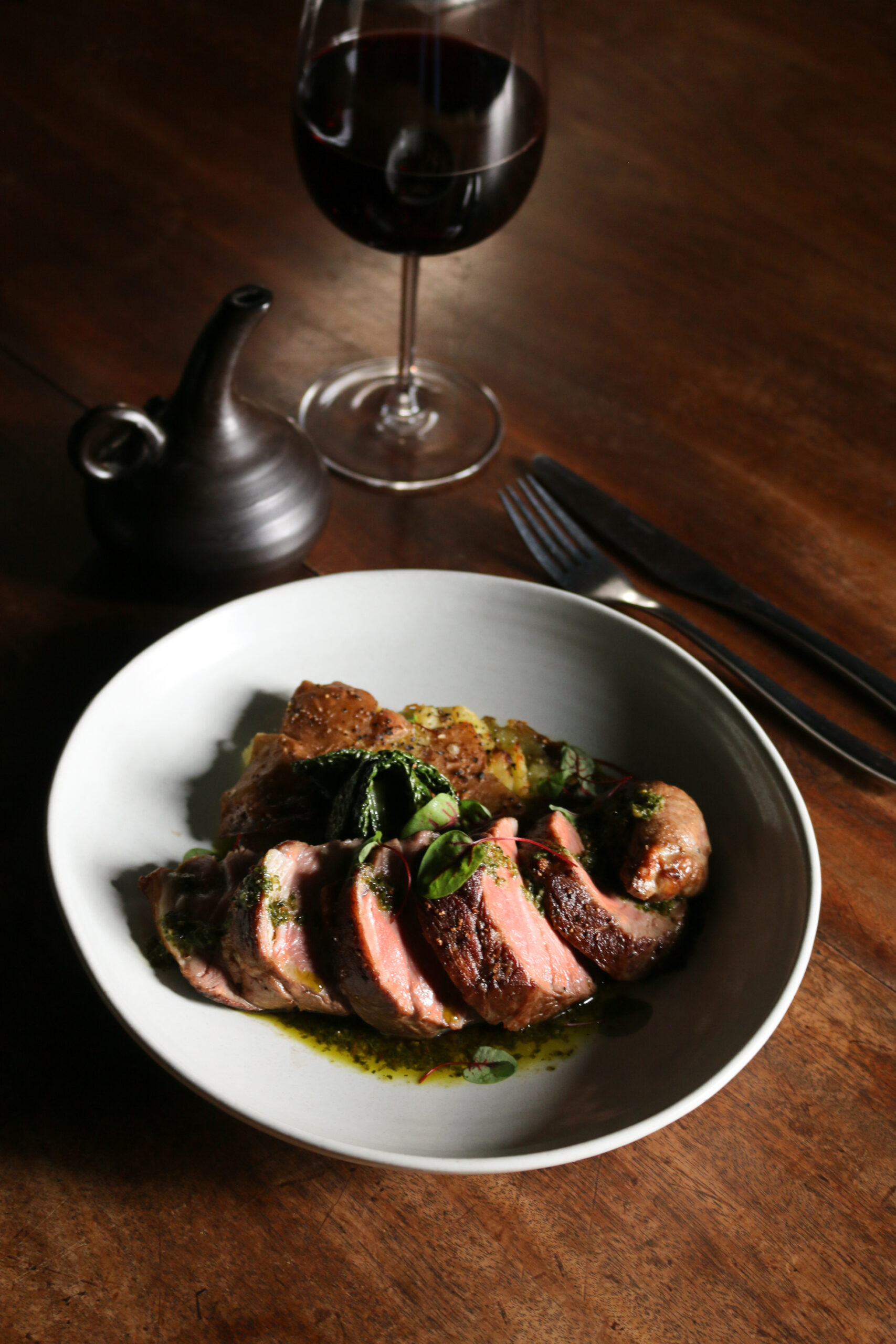
See the dining and eating options at the White Hart
Practical planning notes
Getting the balance right for a countryside meeting involves a few considerations that city-centre venue hire doesn’t:
- Arrival: Confirm car parking arrangements when you book — the White Hart has free on-site parking, which removes a common friction point. For delegates coming by train, Didcot Parkway is the right station, with taxis or lifts from there.
- Timing: Summer countryside meetings work best with an arrival that gives people time to settle before the session starts rather than walking straight into a presentation. A coffee, a few minutes to look around, a brief exchange with the host — it changes the energy of the first hour.
- Technology: Confirm AV, presentation support and Wi-Fi requirements when you book. The White Hart team can discuss what’s needed for your session.
- Overnight: If you’re considering a one-night extension, the 24 rooms at the White Hart range across different sizes and styles. Booking earlier gives more flexibility on allocation, particularly for groups.
- Group size: The main meeting room suits 8 to 20 delegates. For anything larger, the Village Hall adjacent to the hotel takes up to 80.
The conversation you want to have when planning
The best outcomes at countryside meetings tend to come from venues that treat the hosting as part of their job, not just the room hire. At the White Hart, the team are used to groups who want something that feels different from a standard meeting venue. They can help shape the day — catering timing, room setup, evening arrangements — around what the group actually needs.
A phone call or email before you commit is time well spent. It’s how you find out whether a venue is going to make your life easier or just show you a floor plan and step back.